Solar Energy in Nigeria: How it Works & Applications
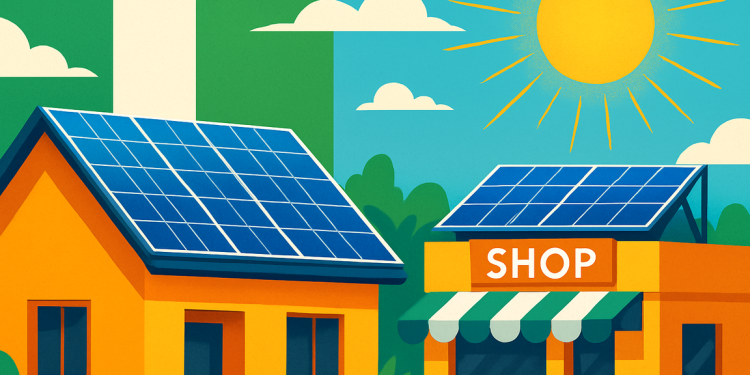
In Nigeria, where reliable electricity remains a significant challenge, solar energy is emerging as a beacon of hope. The sun, an abundant and free resource, offers a powerful solution to our energy needs, providing a sustainable and independent alternative to the often-unpredictable national grid. At Inverters.com.ng, we are committed to demystifying solar power and helping you harness its immense potential for your home or business.
This guide will walk you through the fundamental principles of how solar energy works and explore its diverse applications, demonstrating how you can achieve energy independence and contribute to a greener future for Nigeria.

How Solar Energy Works: The Photovoltaic Effect Explained
At the heart of solar energy technology are photovoltaic (PV) cells, commonly known as solar cells. These remarkable devices convert sunlight directly into electricity through a process called the photovoltaic effect. Here’s a simplified breakdown of how it works:
- Sunlight Absorption: Solar panels are made up of multiple solar cells, typically composed of silicon. When sunlight (photons) strikes the surface of these cells, it excites electrons within the silicon material.
- Electron Movement: The excited electrons are dislodged from their atoms and begin to flow, creating an electric current. This flow of electrons is directed through an electric field within the solar cell.
- Direct Current (DC) Generation: The immediate output from solar panels is Direct Current (DC) electricity. This is the same type of electricity found in batteries.
- Inversion to Alternating Current (AC): Most homes and businesses, as well as the national grid, operate on Alternating Current (AC) electricity. This is where inverters come in. An inverter is a crucial component of any solar power system that converts the DC electricity generated by the solar panels into usable AC electricity .
- Powering Your Property: Once converted to AC, the electricity can be used to power your appliances, lights, and other electrical devices. If your solar system generates more electricity than you consume, the excess can be stored in batteries for later use or, in some advanced grid systems, fed back into the national grid.
This process is entirely clean, silent, and produces no harmful emissions, making solar energy an environmentally friendly choice for power generation.
Applications of Solar Energy in Nigerian Homes
Solar energy offers a multitude of benefits and applications for homeowners in Nigeria, providing a reliable and cost-effective solution to power challenges:
- Reliable Home Power: Say goodbye to erratic power supply. A solar power system ensures a consistent flow of electricity to your home, keeping your lights on, appliances running, and devices charged, even during grid outages.
- Reduced Electricity Bills: By generating your own electricity, you significantly reduce your reliance on the national grid, leading to substantial savings on your monthly electricity bills. In the long run, solar power can virtually eliminate your electricity costs.
- Backup Power Solutions: Coupled with batteries and inverters, solar systems provide an excellent backup power solution. During blackouts, your stored solar energy can seamlessly power essential appliances, ensuring comfort and continuity.
- Environmental Benefits: By choosing solar, you reduce your carbon footprint and contribute to a cleaner environment. Solar energy is a renewable resource that helps combat climate change and air pollution.
- Increased Property Value: Homes equipped with solar power systems are often more attractive to potential buyers, increasing your property’s market value.
- Water Heating: Solar water heaters use the sun’s energy to heat water directly, further reducing electricity consumption and providing a consistent supply of hot water for your household needs.
Applications of Solar Energy in Nigerian Businesses
For businesses in Nigeria, embracing solar energy is not just an environmental choice; it’s a strategic business decision that can lead to significant operational advantages and cost savings:
- Uninterrupted Operations: Consistent power supply is vital for business continuity. Solar power systems ensure your operations run smoothly, preventing costly downtime due to power outages and maintaining productivity.
- Reduced Operating Costs: Electricity costs can be a major overhead for businesses. Solar energy drastically cuts down these expenses, improving your bottom line and freeing up capital for other investments.
- Enhanced Business Image: Adopting solar energy demonstrates your commitment to sustainability and corporate social responsibility, enhancing your brand image and attracting environmentally conscious customers and partners.
- Energy Independence: Businesses can become less vulnerable to grid fluctuations, tariff increases, and fuel price volatility by generating their own power, ensuring greater control over their energy supply.
- Cooling and Refrigeration: For businesses relying on refrigeration (e.g., supermarkets, cold storage, pharmaceutical companies), solar power provides a stable and cost-effective solution to maintain critical temperatures, preventing spoilage and losses.
- Lighting and Security: Solar-powered lighting can illuminate business premises, parking lots, and security systems, enhancing safety and visibility while reducing energy consumption.
- Agricultural Applications: Solar energy can power irrigation systems, boreholes, and processing equipment in agricultural businesses, boosting productivity and reducing reliance on expensive and unreliable generators.
Conclusion: Powering Nigeria’s Future with Solar
Solar energy represents a powerful and practical solution to Nigeria’s energy challenges. From providing reliable power to homes and significantly reducing electricity bills, to ensuring business continuity and fostering sustainable growth, the applications of solar power are vast and impactful. As the technology continues to advance and become more accessible, embracing solar energy is a clear path towards a brighter, more stable, and environmentally friendly future for all Nigerians.