Innovations in Solar Inverter Technology
Nigeria’s abundant sunshine and the ongoing quest for reliable, sustainable energy have put solar inverter technology in the spotlight. As renewable energy enthusiasts and potential solar customers know, inverters are the unsung heroes that convert solar panels’ DC power into AC electricity for homes and businesses. In 2025, groundbreaking advancements in solar inverter technology are set to redefine Nigeria’s energy landscape. This blog post explores emerging trends such as AI integration, hybrid systems, transformer-less designs, smart monitoring, and advanced battery storage integration that are paving the way for a cleaner and more efficient future.
Key Innovations in Solar Inverter Technology 2025
1. AI Integration in Solar Inverters
Artificial intelligence is revolutionizing energy management:
- Optimized Performance: AI-driven algorithms analyze real-time weather data and energy usage to adjust inverter settings for maximum efficiency.
- Predictive Maintenance: By monitoring system performance, AI in solar inverters can predict potential issues before they become costly problems.
- Real-Life Example: A Lagos-based renewable energy firm recently reported a 15% increase in energy conversion efficiency by integrating AI solutions into their inverter systems, ensuring uninterrupted power for local businesses.
2. Hybrid Systems for Enhanced Energy Independence
Hybrid solar inverters combine grid-tied and off-grid capabilities:
- Seamless Energy Flow: These systems manage energy between solar panels, batteries, and the grid, ensuring continuous power during outages.
- Flexibility: Hybrid inverters allow users to store excess energy during the day and use it at night, which is critical for Nigerian households with inconsistent grid supply.
- Case Study: In Abuja, a small business successfully installed a hybrid inverter system that reduced their reliance on diesel generators by 70%, cutting energy costs and lowering emissions.
3. Transformer-less Designs: Efficiency and Compactness
Transformer-less inverters are gaining traction due to their:
- Improved Efficiency: By eliminating bulky transformers, these inverters reduce energy loss and are more compact.
- Cost-effectiveness: They offer a lower overall cost while maintaining high performance, which is ideal for residential installations.
- Application in Nigeria: With space at a premium in urban Nigerian settings, transformer-less inverter designs are becoming popular for rooftop solar systems.
4. Smart Monitoring and Control Systems
Real-time monitoring transforms how users interact with their solar systems:
- User-friendly Interfaces: Mobile apps and cloud-based platforms provide insights into energy production, consumption, and system health.
- Enhanced Troubleshooting: Instant alerts and performance analytics help users quickly address and resolve issues.
- Local Example: A solar installer in Port Harcourt leverages smart monitoring tools to track inverter performance across multiple installations, ensuring optimal energy output and timely maintenance.
5. Advanced Battery Storage Integration
Integrating inverters with modern battery storage is critical for energy continuity:
- Seamless Power Backup: New lithium-ion and emerging solid-state batteries offer high storage capacity, ensuring reliable power during off-peak hours.
- Extended Lifespan: These batteries are engineered for durability and efficient charging, reducing maintenance costs.
- Nigerian Impact: In rural communities across Nigeria, solar systems paired with advanced battery storage have enabled microgrids to provide uninterrupted power, even when the national grid fails.

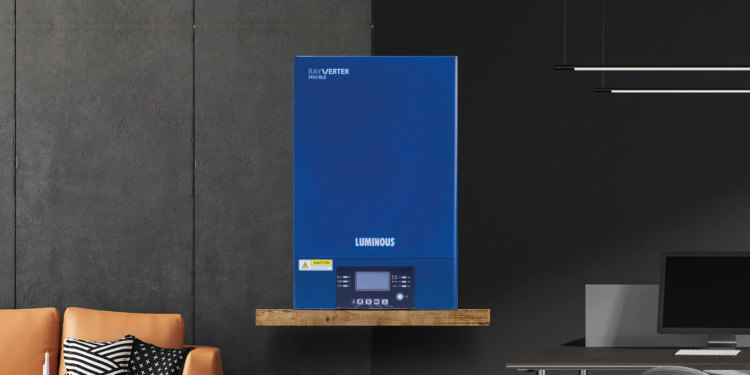
Luminous Rayverter
Some Benefits of Innovations in Solar Inverter Technology
- Better Energy Efficiency: Shorter energy loss means more power for households.
- Reliable Power: With smart controls and hybrid systems, outages become less disruptive.
- Cost Savings: Higher efficiency and compact designs lower installation and operation costs.
- Environmental Impact: Less reliance on diesel cuts carbon emissions.
- Scalability: These systems grow with your needs.
Local Market Insights
In Nigeria, consumers demand reliable, efficient power. Many businesses in Lagos and Abuja now use hybrid systems. They report reduced generator use and lower costs. Moreover, small-scale solar projects across rural areas show that advanced inverters work well in off-grid environments.
Conclusion
In summary, the innovations in solar inverter technology in 2025 promise a brighter future for renewable energy in Nigeria. With breakthroughs like AI integration, hybrid systems, transformer-less designs, smart monitoring, and improved battery storage, solar inverters now deliver more reliable and efficient energy. These advancements help address Nigeria’s ongoing power challenges while paving the way for a more sustainable energy landscape.
As a dedicated blog covering solar inverters and solar products, we strive to keep you informed with in-depth analysis and the latest news. We invite you to join the conversation, share your insights, and stay updated on how these technological trends are shaping Nigeria’s renewable energy future.